In retail stores across the world, the sight of contactless payments by phone or by card has become commonplace. But more than 30 per cent of the world’s population are now considered digital shoppers and the online retail market was worth a staggering $768bn in the USA alone last year – and it’s a market that is expected to double in size by 2025.
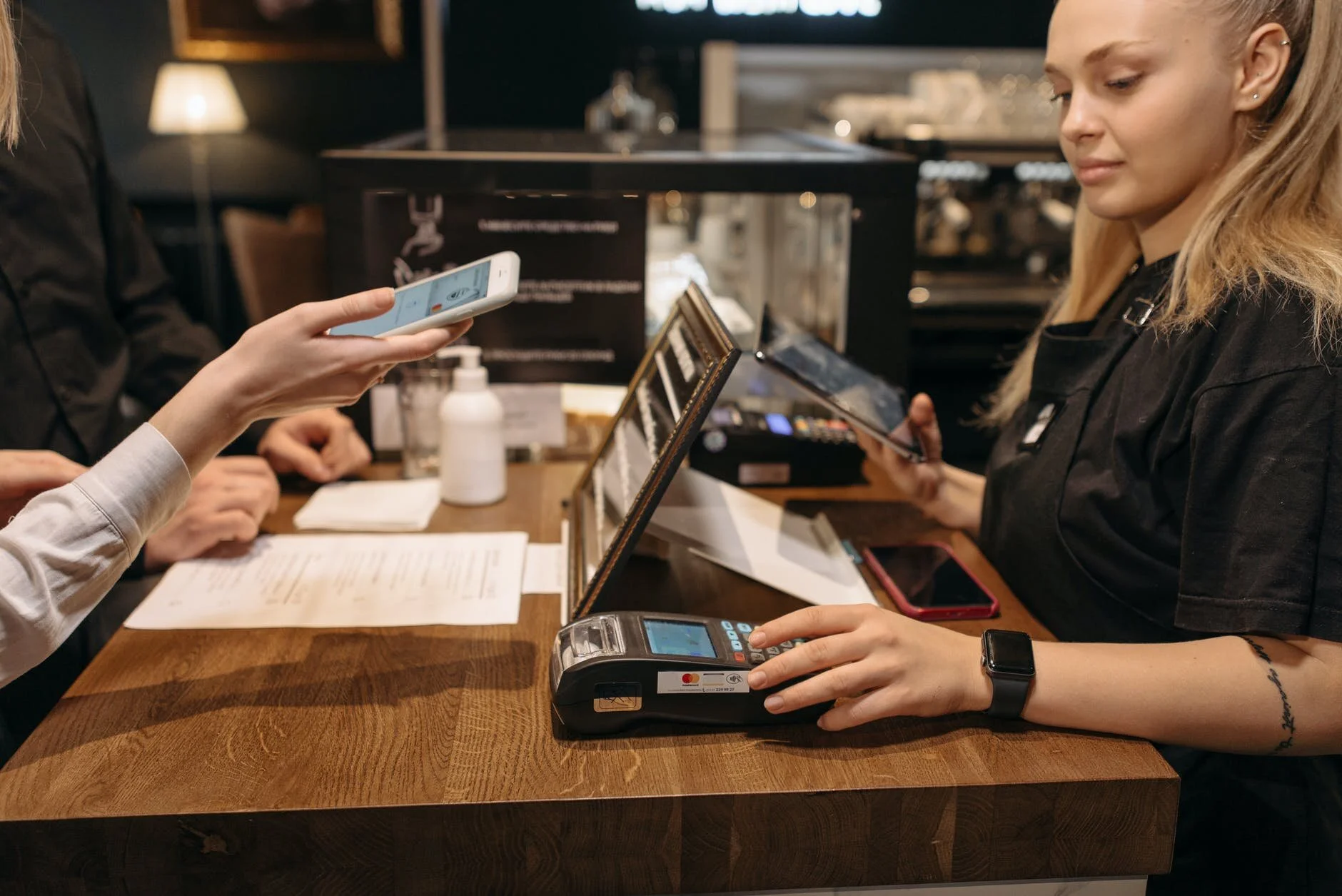
Little more than two years ago, the ‘tap to pay’ culture – whether by card or by phone – was dominated by the younger end of the adult demographic. Today, accelerated by a global pandemic that that focussed on eliminating common touch points. it is ubiquitous and used across generations.
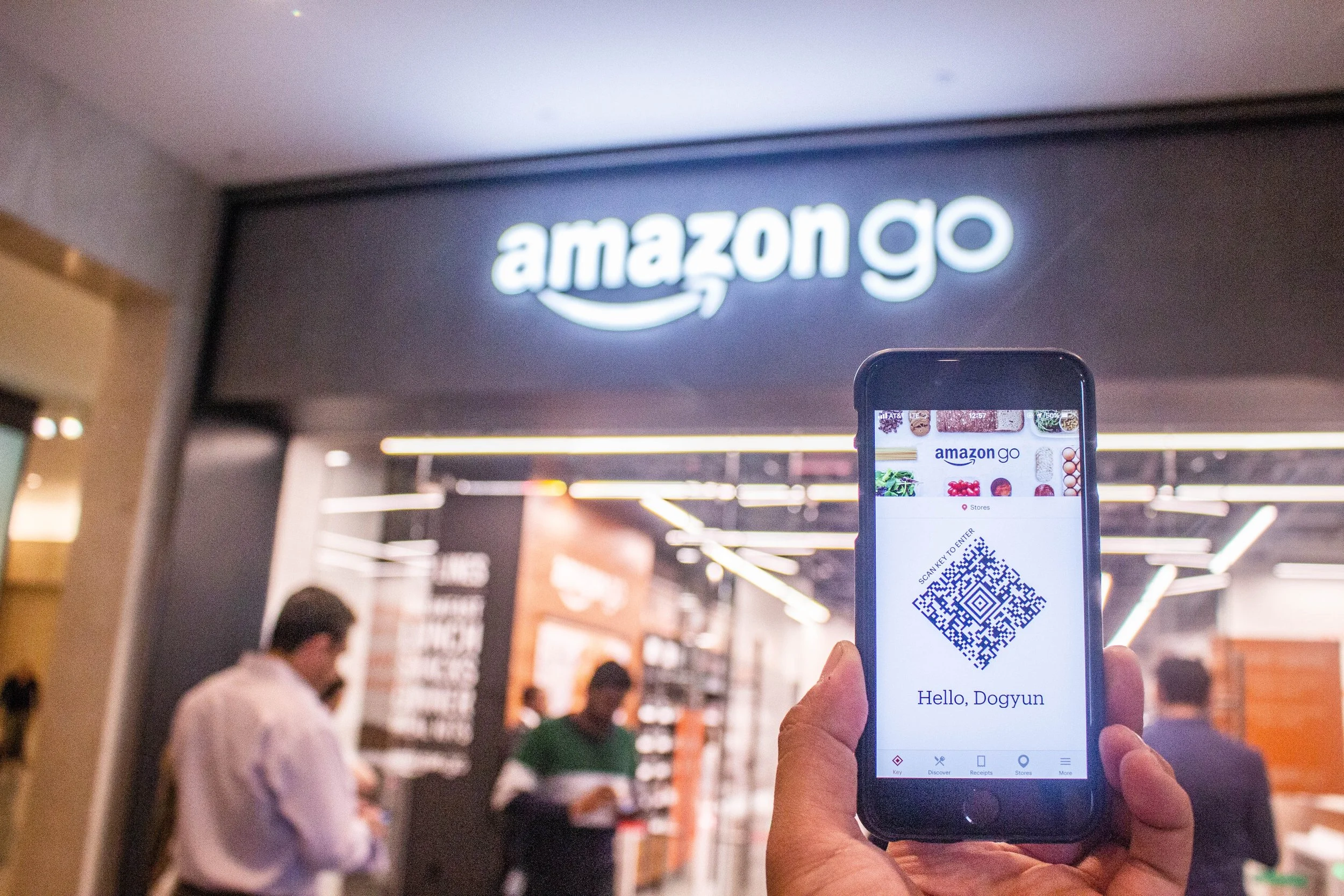
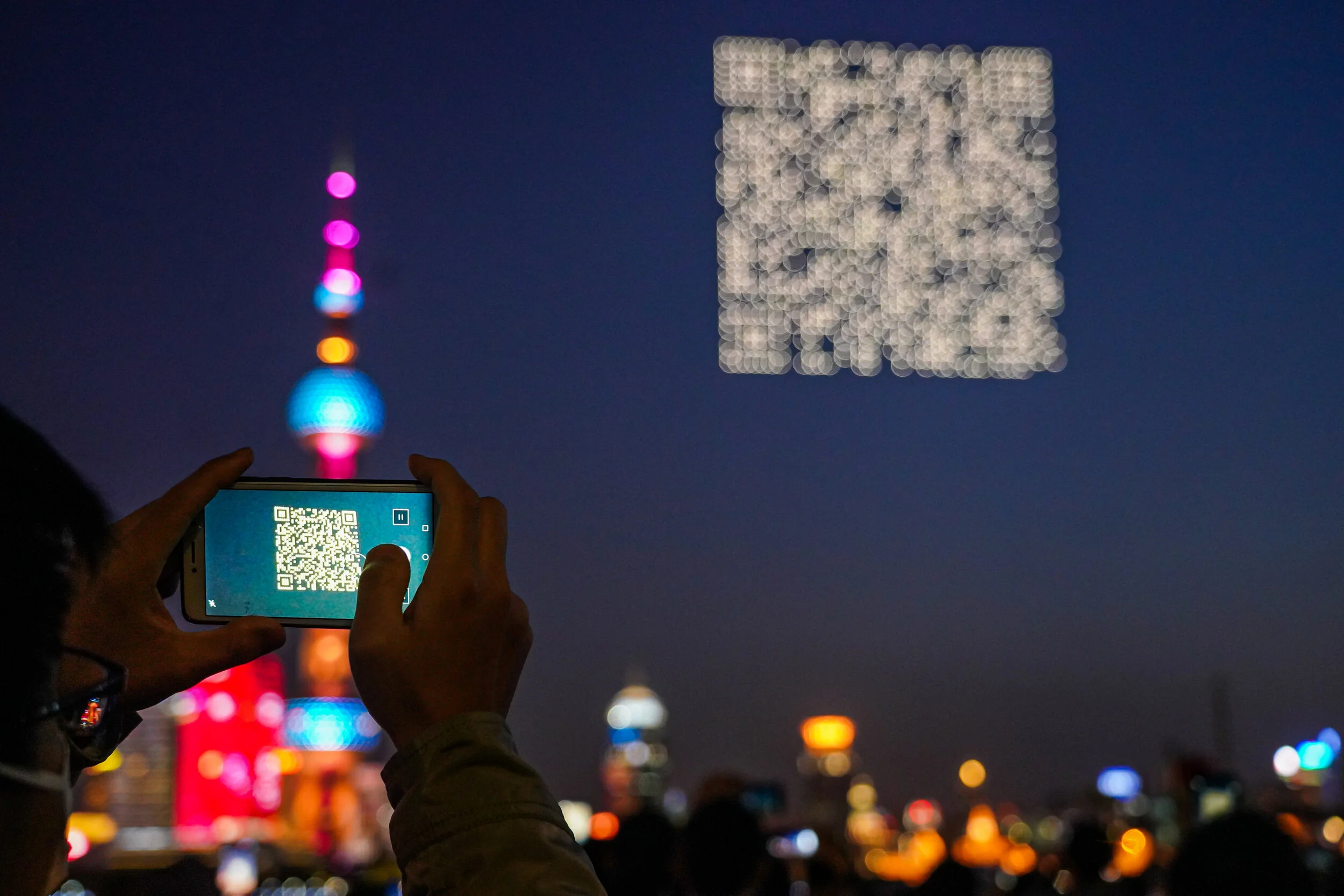
Around the world the number of people using QR code technology is rising exponentially. A rise initially triggered by the global pandemic has continued unabated. In America alone, the first year of the pandemic saw a 25 per cent rise in QR code usage to more than 65m users. That became 75m last year, will be 83m this year, and be touching 100m by 2025.
The average amount being withdrawn from a cash machine per visit had climbed to £80. However, closer reading of the article also showed that the number of visits per month had declined by 40 per cent and the total being withdrawn had fallen by a staggering £100m per day compared to pre-pandemic levels in 2019.
“…some 83 per cent of UK consumers now use contactless payments and that number doesn’t fall below 75 per cent for any region or age grouping.
It’s an unwritten rule of a successful technology – someone, somewhere, will try to corrupt it for their own purposes. QR code technology is closing in on 30 years of usage, but the Covid-19 pandemic has turned the technology from niche markets to mainstream consumer use and that inevitably attracts interest from the fraudsters.
The global Covid-19 pandemic is still causing terrible problems in many countries around the world while at the same time others are beginning to emerge carefully from different forms of lockdown and are slowly re-opening shops, bars, and even borders.
The European Union’s PSD2 regulations first came into force more than three years ago – January 2018 to be precise. However, some aspects of the regulations have proven harder to bring into play than others. Just this month for example, the EBA published an opinion and set deadlines on the need to remove obstacles that are preventing compliance with secure account access regulations for some payment providers.
Back in February of this year, when the threat of COVID was becoming a global cause for concern, we posed the question on this site about whether 2020 would be the year of the QR code.
Partners
Ensygnia continues to grow a fantastic ecosystem of Onescan corporate, product and service partners. Together we deliver the most comprehensive range of secure mobile transaction services and solutions.
Payment Partners
We support most payments providers globally for credit and debit card transactions, wallets and carrier billing.
Premier Partners

Preferred Partners

Plus over 200 other payment gateways and acquirers.